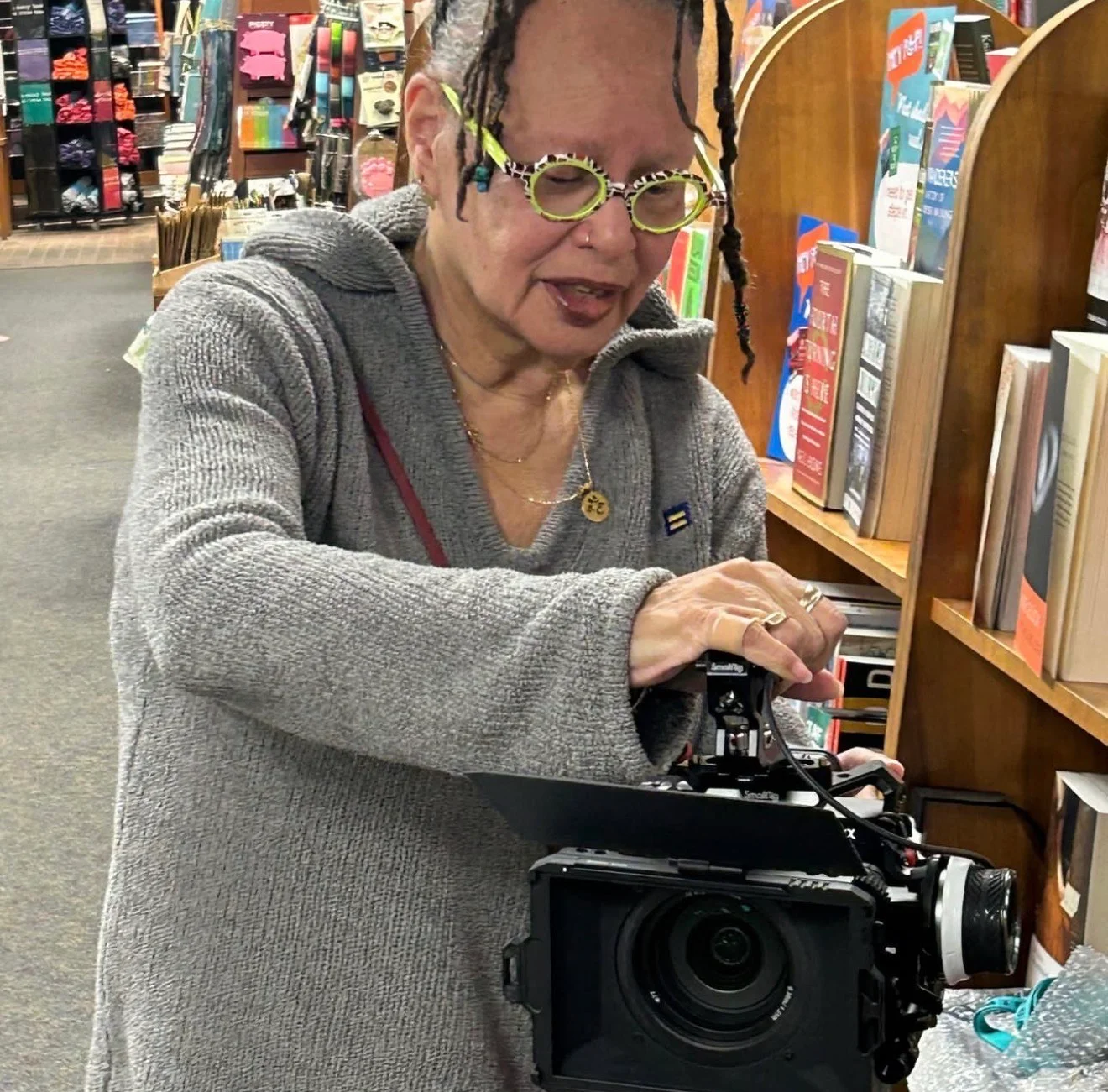
Welcome to Protest Pizza + Bar Showcase
Leigh Mosley: Documenting Our History
October 2026 Update:
Pioneers for Justice: Black Lesbians in the DMV
We’re proud to help spread the word about Pioneers for Justice: Black Lesbians in the DMV, a new documentary from Washington, D.C. filmmaker, photographer, and educator Leigh H. Mosley, with executive producer Celeste A. Crenshaw.
The film brings forward the voices of ten Black lesbian elders whose activism, creativity, leadership, and commitment to community helped shape Washington, D.C., Maryland, and Virginia — and the movements for Black liberation, women’s rights, LGBTQ+ equality, and social justice.
Their stories are an important part of our history, and they deserve to be heard, preserved, and celebrated.
At Protest Pizza + Bar, we believe Pride has always been rooted in protest, community, and the people brave enough to push for change. We’re honored to support a project documenting the pioneers who helped make that progress possible.
Learn more, watch, and support the film at PioneersForJusticeFilm.com https://pioneersforjusticefilm.com/
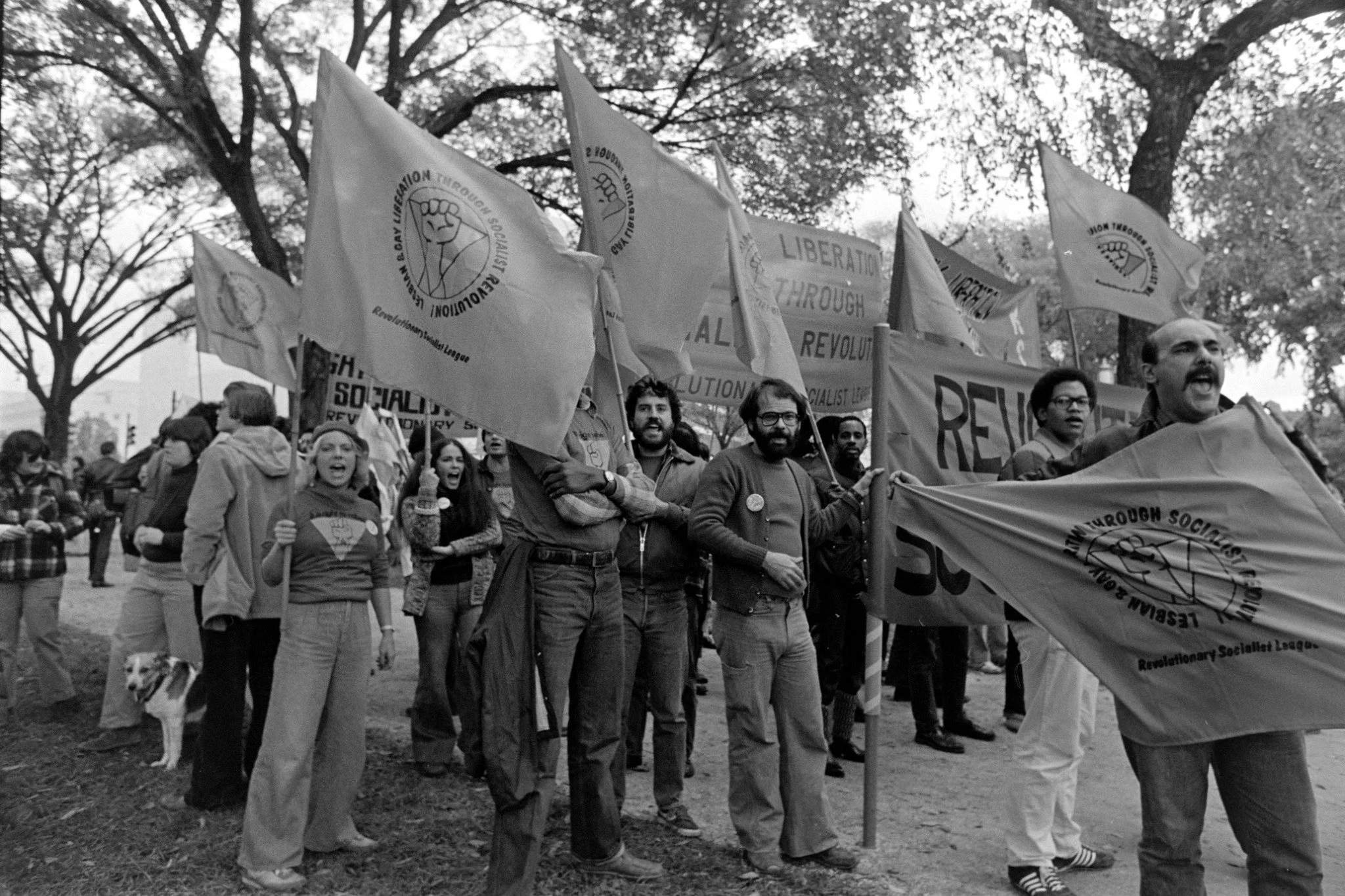
Leigh Mosley is a Washington, D.C. based photographer who first gained recognition in the late 1970s for documenting LGBTQ+ activism, including the 1979 National March on Washington for Lesbian and Gay Rights and the Third World Conference at Howard University. Her photographs capture not only the rallies and banners, but also the humanity, defiance, and solidarity of the people who made history.
Mosley has remained dedicated to using photography as a tool for visibility and justice, with work that continues to highlight Black, queer, and women’s experiences. Now celebrating her 80th birthday, she is still active behind the camera, ensuring that the struggles and triumphs of marginalized communities are remembered and honored.
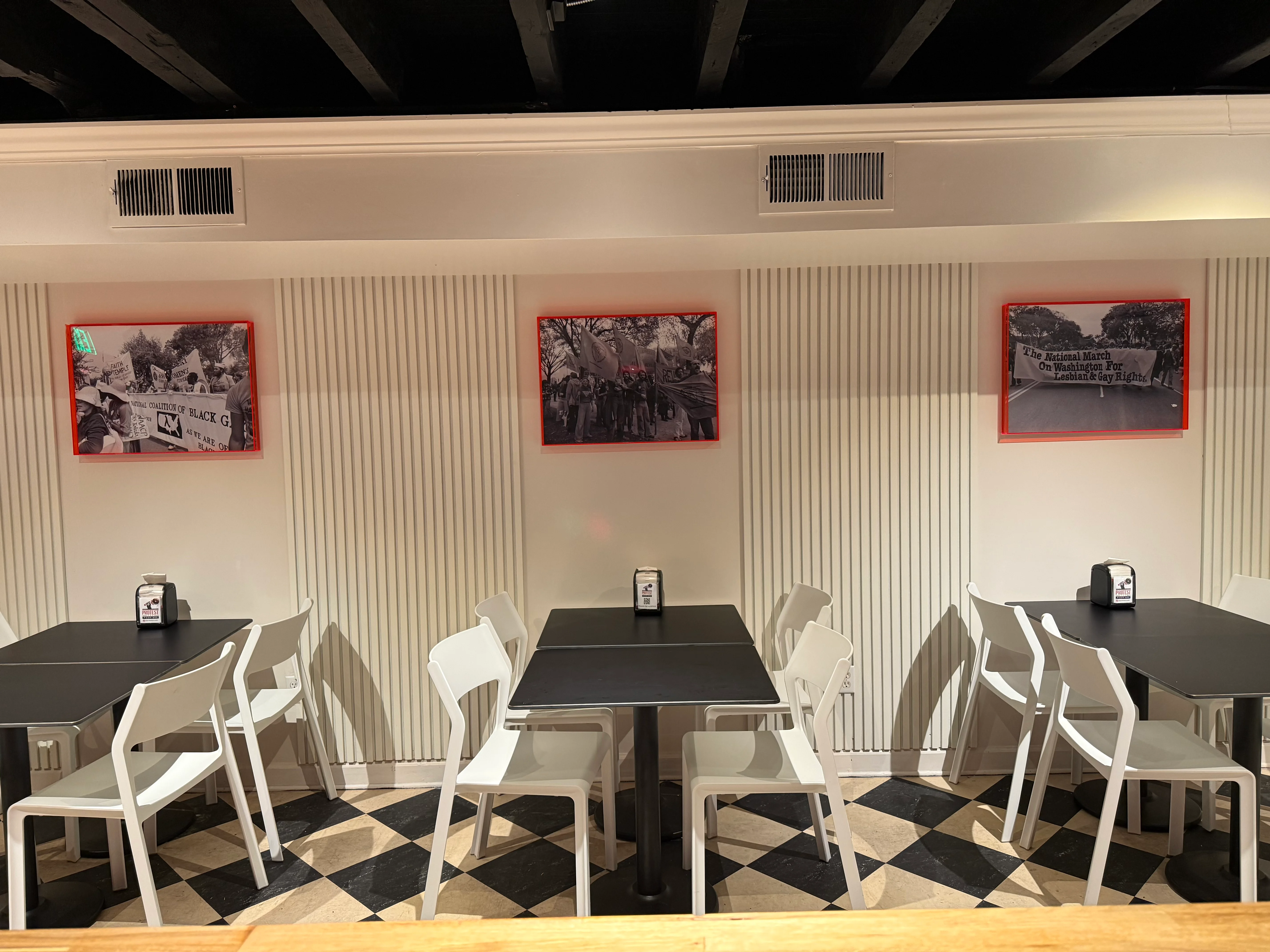
The four images presented here reflect pivotal moments of the 1979 march and conference. They reveal activists uniting across race, sexuality, and political identity to demand justice and equality. These photographs serve as more than records of the past — they are powerful reminders of the courage it took to claim space, and the enduring importance of solidarity in the fight for liberation.
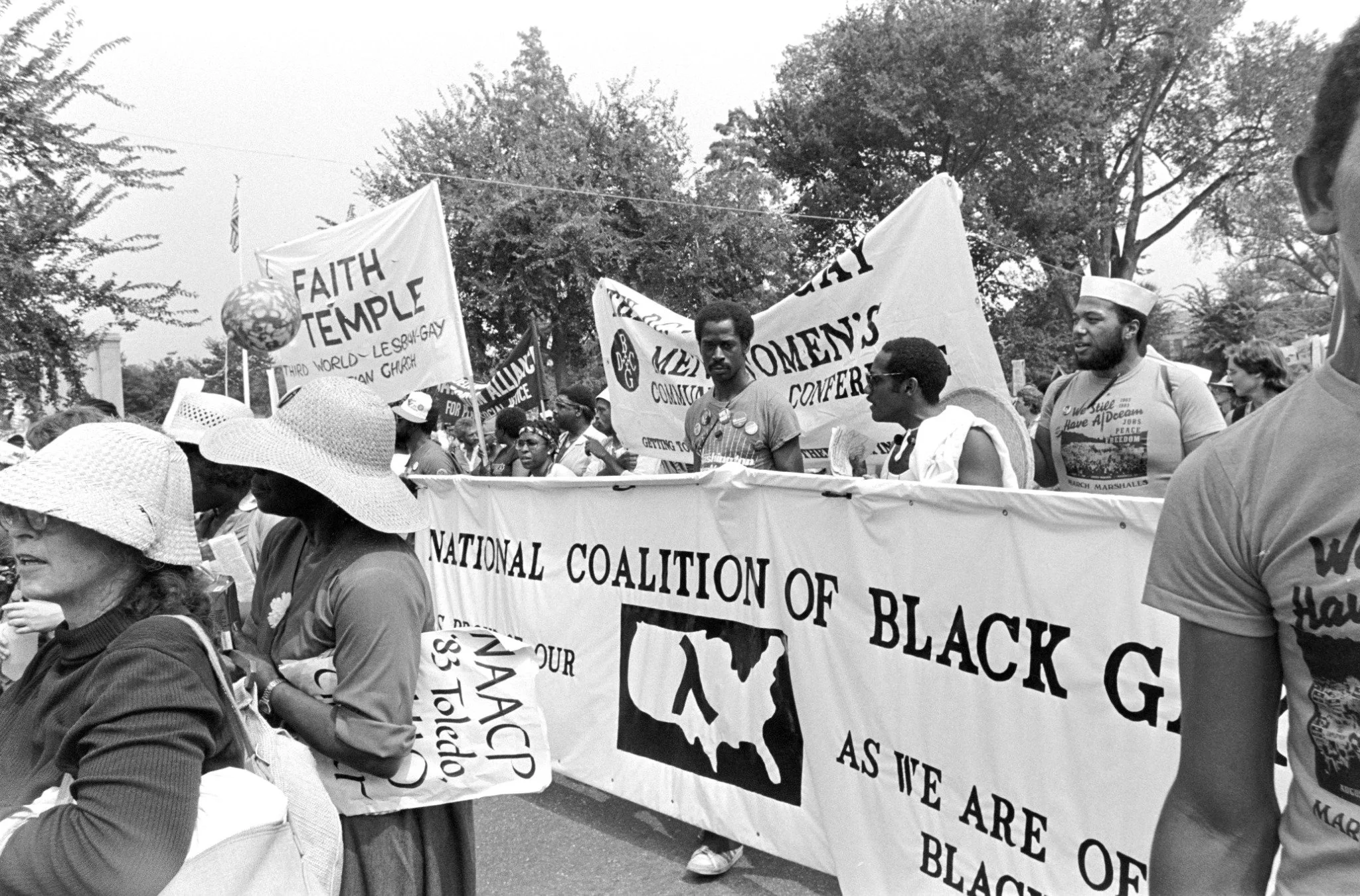
Building a Coalition for Change
In April 1978, frustrated by the lack of representation and the narrow focus on
homophobia by mainstream, primarily white, gay activists, Black gay activists held the first meeting of the DC Coalition of Black Gays. Recognizing the need to address issues beyond homophobia, the Coalition focused on community empowerment and integrating discussions of race into the gay rights movement.
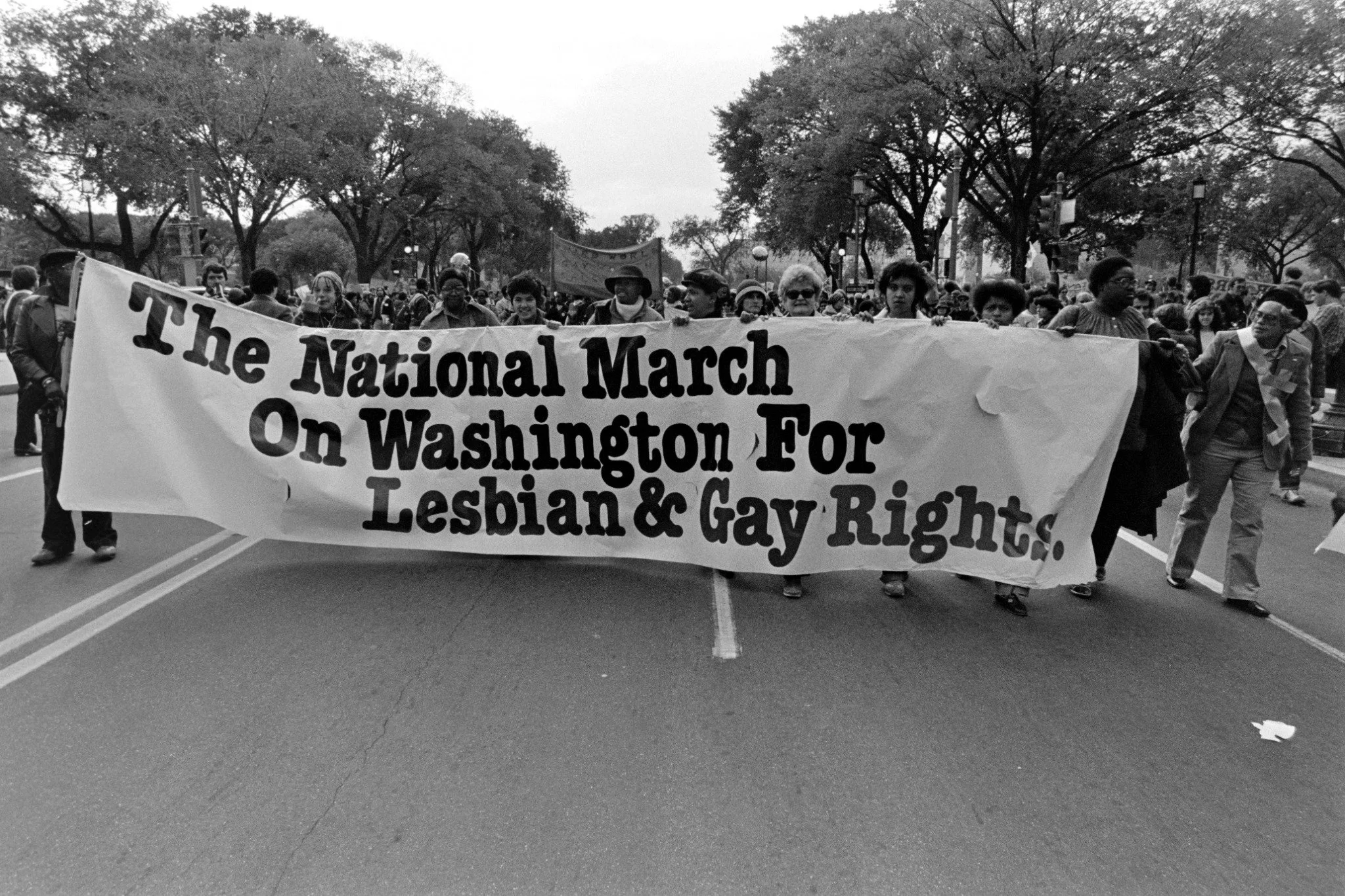
Planning the Impossible March: National March on Washington 1979
Although the 1979 march marked the tenth anniversary of the Stonewall Uprising, it faced significant challenges. Early planning meetings were contentious, with fears it would fail and expose the movement’s weaknesses. Skeptics doubted people from smaller towns would attend, yet organizers pressed on, inspired by the vision of a national gay rights movement.
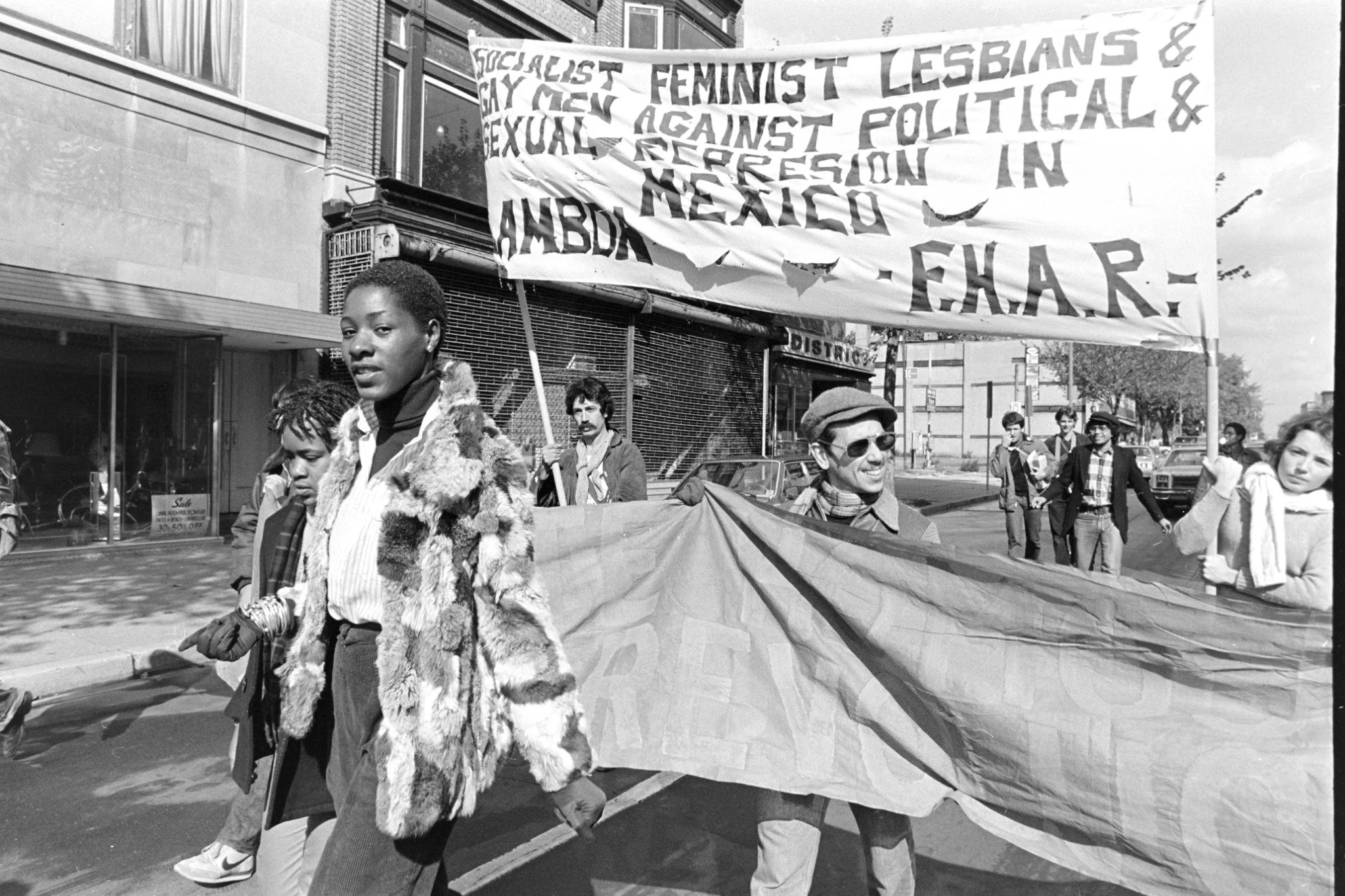
A United Front with Evolving Priorities: Socialist Feminists
By 1979, a new vision of a united front was evolving, emphasizing homophobia as a single issue and making it the primary focus of the National March. This contrasted with emerging views prioritizing intersectionality and addressing multiple forms of oppression simultaneously, including racism by white gays and lesbians.
Thank you
We’re honored to feature Leigh Mosley’s work and to support her newest project, Pioneers for Justice: Black Lesbians in the DMV. This powerful work lifts up voices too often left out of the story — voices that remind us why the fight for equity and visibility continues.
Thank you for spending time with us here. May Leigh’s vision guide us — as a community, as history-keepers, and as people committed to justice.
🌐 leighmosley.com
📸 @leighmosleyphotography
Watch Leigh’s new project here:


